A Street Market Lesson in Rough Gem Identification
During my early years of buying rough gemstones in Sri Lanka, particularly around the Ratnapura street markets, I encountered a stone that became a lasting lesson in practical gem identification.
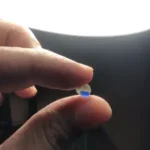
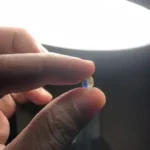
The specimen came from a mixed-colour rough sapphire lot and weighed approximately 1.35 carats. Visually, it showed a distinct patch of saturated blue near the base, while the upper portion appeared colourless.
At first glance, the colour zoning suggested potential — if cut correctly, the blue area might be positioned at the culet to allow colour dispersion when viewed face-up.
However, one detail immediately raised concern. The stone appeared unusually large for its recorded weight. For a 1.35-carat stone, its dimensions were closer to what would be expected of a 2.5-carat sapphire, suggesting a lower-than-expected density.
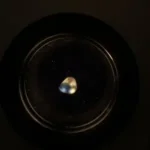
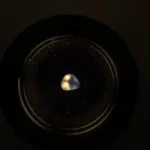
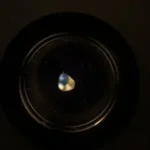
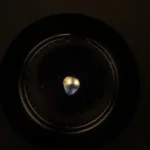
A polariscope examination was the next step. Under crossed polars, the stone displayed an anomalous double refraction pattern, including a clear “riding snake” effect. Although colour zoning can sometimes influence optical behaviour, the pattern warranted further testing.
Specific gravity measurement provided the decisive result. The SG reading was approximately 2.6, which falls well below the expected range for corundum. At that point, the identification was clear: the material was glass.
This experience reinforced an essential rule for anyone buying rough gemstones in street markets — visual appearance alone is never enough.
Basic gemmological tools such as a portable polariscope and SG testing equipment are not optional; they are critical, especially when new faces are being quietly assessed by scammers.