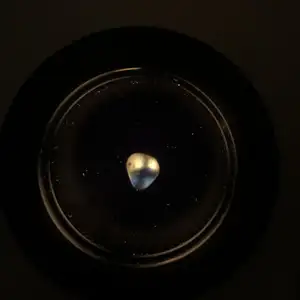
Gemstone cutting, also known as lapidary work, is the process of shaping and polishing a rough stone to reveal its beauty. There are many types of cuts used in the gem industry. The most common is traditional faceting, where flat surfaces (facets) are arranged in geometric patterns, such as round, oval, cushion, or emerald cuts. These cuts are designed mainly to improve brilliance and maximise weight retention.
Another style is cabochon cutting, where the stone has a smooth, rounded surface without facets. This is often used for opaque or translucent gemstones like opal, moonstone, or turquoise. There is also fantasy cutting, which includes creative designs, grooves, and unusual shapes to produce artistic effects.
3D cutting is a more advanced and modern technique. Instead of only flat facets, the cutter creates curved surfaces, layered angles, and multi-dimensional patterns. This gives the gemstone extra depth, unique reflections, and a sculptural appearance. Often, this type of cutting requires specialised tools, strong experience, and a great deal of patience.
One important reason why 3D cutting is not commonly performed on precious gemstones such as sapphire, ruby, or emerald is risk and value. Precious stones are expensive, and 3D cutting usually removes more material compared to traditional faceting. Any mistake can cause major financial loss. Also, the market for precious gemstones often prefers classic cuts because they are easier to grade, certify, and sell internationally. Therefore, cutters usually practise 3D techniques on semi-precious stones like quartz, amethyst, or topaz.
A few days ago, I had the opportunity to witness this type of cutting in person for the first time. I had seen 3D-cut gemstones many times on social media and the internet, but watching the actual process was a completely different experience. The stone being worked on was a 10.42-carat quartz, and the cutting was done by an experienced lapidary craftsman in Ratnapura, Sri Lanka — a place well known for its gem industry.
What impressed me most was the level of concentration and patience required. The cutter carefully shaped the stone step by step, adjusting angles and polishing surfaces with precision. The entire process took around two to three hours to complete perfectly. It became clear to me that this type of work is not only technical but also artistic. A small error could easily ruin the symmetry and final appearance.
Seeing the finished gemstone was truly fascinating. The reflections were different from normal faceted stones, showing more depth and movement when rotated under light. This experience gave me a deeper appreciation for the skill involved and the dedication of lapidary professionals who create such unique pieces.
3D gemstone cutting is not just about technology — it is about skill, patience, and artistic vision combined